Monthly Health and Safety Focus: Legionella Advice
Legionella is a water-borne illness which the Association works hard to manage and prevent. However, residents should also be aware of some key tips for further mitigating the risk of exposure. Read the first our monthly articles putting a different safety topic in focus here.
News
What Is Legionella?
Legionella is a type of bacteria that can sometimes grow in water systems, such as pipes, taps, showers and water tanks. It thrives when water is left standing and kept at warm (but not hot) temperatures. People can become ill if they breathe in tiny droplets of contaminated water, for example from a shower spray. Those who can be particularly effected include the very young, elderly, immuno-compromised and those who smoke or drink heavily.
In homes, the risk of legionella is generally very low, especially when water systems are used and maintained properly. However, by following a few simple steps as part of everyday living, residents can help reduce the risk even further.
Guidance and Advice on Legionella In The Home
The safety of our residents is our priority, and we have robust programme in place to manage and control Legionella risks and keep water systems safe.
-
Regular specialist inspections: We appoint accredited water‑hygiene contractors to carry out detailed Legionella risk assessments in our buildings. These experts test water quality, inspect tanks and fittings and identify any issues that need attention.
-
Ongoing monitoring and maintenance: Where water systems present any level of risk, we carry out routine checks, temperature monitoring, sampling and inspections. Every action - from flushing to disinfection - is recorded and kept for at least five years to ensure strong oversight.
-
Inspections of cold‑water storage tanks: Every property included in our maintenance programme will receive a tank inspection. Depending on the year of our rolling maintenance programme, this includes cleaning, repairs, installing screens, testing for bacteria and completing any recommendations from our contractors.
-
Clear control of risks in empty (void) homes: When a property becomes empty, we take steps to prevent stagnant water - one of the main causes of Legionella growth. Before re‑letting, our contractors flush all taps, clean or replace shower heads, and check any water storage tanks.
-
Speedy responses to any issues: If test results show a problem or if a tenant, contractor or staff member reports a concern, we must act quickly. This may involve flushing systems, disinfection, temporary isolation of supply or further sampling. Serious concerns would be escalated straight away to senior management and external authorities where required.
-
Working with residents: We also provide tenants with simple guidance to help keep water systems healthy, such as cleaning shower heads regularly, flushing little‑used taps or showers, running taps after returning from holiday and reporting any discoloured water or debris.
-
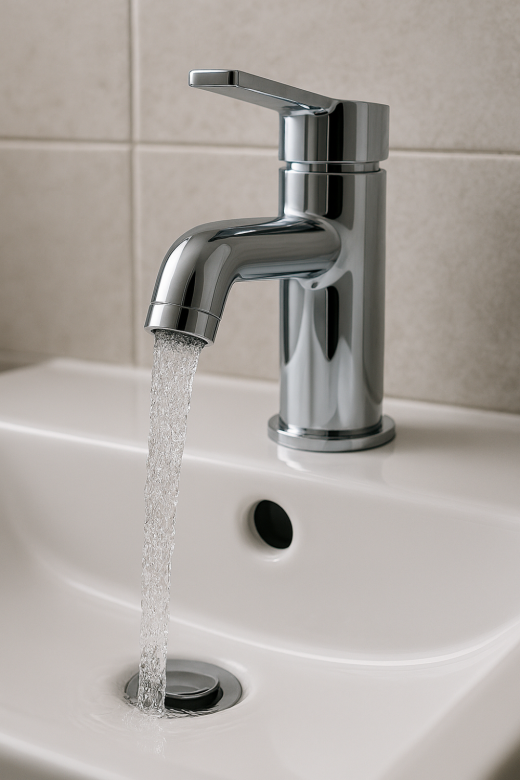
1. Use all taps and showers regularly: If a tap or shower is not used often, run it for a few minutes at least once a week. This helps prevent water from stagnating in the pipework. Remember to run hot and cold water separately, and avoid inhaling spray from showers while flushing through.
2. Keep showerheads and taps clean: Limescale and dirt act as a source of food and can encourage bacteria to grow. Clean and descale showerheads and hoses regularly, following any safety or manufacturer's guidance where applicable if using descaling products.
3. After time away from home: If you’ve been away (for example on holiday) for more than a week, run all taps and showers for a few minutes before normal use. Flush toilets once or twice and run showers with the bathroom door closed if possible.
4. Maintain safe water temperatures: Hot water should be hot enough to prevent bacteria growth. Hot water systems are designed to operate at temperatures that prevent bacteria growth. Hot water should be stored at 60°C or above and reach at least 50°C at the tap. Cold water should remain below 20°C. Residents should not adjust water temperature controls themselves but report any concerns to us.
5. Report problems promptly: Please do not hesitate to contact us if you notice:
Water not heating properly;
Damage, leaks or concerns about boilers or pipework
The risk of legionella in domestic homes is generally very low. Most cases are linked to large, complex water systems with many avenues for water to run into and stagnate and which are poorly maintained, rather than individual homes.
In residential properties, the risk is kept low through proper system design, regular maintenance and everyday use of water outlets. Following the simple advice on this page (such as using taps regularly and keeping showerheads clean) helps reduce the risk even further.
Residents should not make changes to their water or heating systems. This includes adjusting thermostats, removing safety devices or altering pipework, taps or shower fittings.
Even small changes can affect water temperatures and increase the risk of bacteria growth or scalding. If you would like to replace a showerhead or have concerns about your plumbing, please contact us first so we can advise or arrange this safely.
Legionella is a type of pneumonia and symptoms can be similar to flu. These may include:
- A high temperature or fever
- Cough
- Muscle aches
- Shortness of breath
The illness is rare, particularly in domestic settings. If you feel unwell and are concerned, seek medical advice from your GP or NHS 111. You may wish to mention any concerns about water systems, but there is no need for alarm.
No. Residents do not need to carry out water testing in their homes.
Legionella testing is not routinely required for domestic properties. Monitoring, risk assessment and any required checks are managed by the housing association as part of our legal responsibilities.
If you have concerns about your water temperature or system, please report them to us and we will investigate.