
Monthly Health and Safety Focus: Gas and Carbon Monoxide Awareness
Gas appliances such as cookers and boilers are a convenient part of many homes. But if not properly maintained, they can pose serious risks, including carbon monoxide (CO) poisoning, a colourless, odourless gas that can be deadly. This month in our H&S news spotlight, we’re helping tenants understand how to stay safe, spot warning signs and know what to do if something goes wrong.
News
Top tips on staying safe - this month, we look at gas safety and carbon monoxide awareness
Gas and carbon monoxide (CO) safety is vital for keeping your home and household safe. Gas appliances that aren’t properly maintained can pose serious risks, including carbon monoxide leaks, which are often invisible and hard to detect. This page shares important information on how to recognise the warning signs, what steps you can take to stay safe, and how we support residents with regular checks and maintenance.
We recommend residents try to test the alarms in their homes (Carbon Monoxide, heat and smoke alarms) on a weekly basis by using the test buttons. If there are any problems or failures during the test, please contact us as soon as you can.
We will carry out annual gas safety checks on all gas appliances in your home, including boilers, cookers, and fires. These checks are done by Gas Safe registered engineers to make sure everything is functioning correctly and safely.
The Association has a statutory duty to conduct these checks every year, and it is of paramount importance that residents allow our contractors to do so. You will receive plenty of notice in advance and we will work closely with you to organise the visit, however we do also have procedures in place to gain access should the resident not allow it.
- Allow access for your annual gas safety check.
- Report any appliance faults, leaks or unusual smells immediately.
- Test CO alarms regularly and alert the Association as soon as you can if there is a problem.
- Your alarms will be sealed and therefore you won't be able to change the batteries yourself, so get in touch if you think they need replaced.
The gas engineer will:
- Inspect all gas appliances and pipework
- Check for leaks or faulty equipment
- Test ventilation and flues
- Test your smoke, heat and carbon monoxide alarms
- Issue a Gas Safety Certificate once the inspection is complete
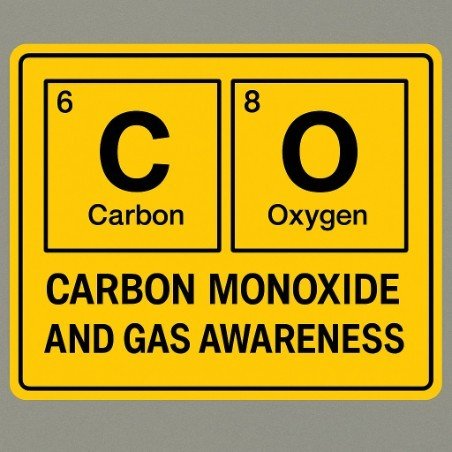
Carbon monoxide (CO) is a toxic gas produced when gas or other fuels are burned incompletely. Because it has no smell, colour or taste, it’s impossible to detect without a CO alarm. Breathing it in can cause headaches, dizziness, nausea, or even be fatal.
- We ensure all gas appliances are installed and maintained on a regular basis.
- CO alarms are fitted and tested as part of the annual gas safety check.
- Headache, dizziness, nausea, or fatigue
- Shortness of breath
- Chest pain or confusion
- Seek medical help immediately if you or others show these symptoms and CO exposure is suspected.
- Evacuate everyone from the property immediately.
- Call the Gas Emergency number at 0800 111 999 and inform the Association if you can.
- Do not re-enter the property until it has been checked and cleared as safe.
No. Gas work should only be done by Gas Safe registered engineers. Attempting DIY repairs is dangerous and could put you and others at risk.
As with your smoke and heat alarms (installed for fire safety in all YHA properties), we recommend testing your CO alarm weekly.
Your alarms should have 'test' buttons on them - press these to initiate the test. The CO alarm should emit a loud series of 'beeping' sounds to confirm it's working.
It's crucial you let the Association know as soon as you can if your test fails, or if you run into problems carrying out the test.
Never use an actual flame or source of heat to test the alarms.
Finally, we'd like to remind residents that their smoke and heat alarms are interlinked as per legal requirements. This means that when you activate one alarm for testing, they should all go off. Please alert the Association if any alarms do not activate during the tests.