
Fire Safety In The Home
Fire safety at home is everyone's responsibility, and while we have safeguards in place to protect residents it can be useful to refresh your awareness. With the festive season around the corner, many homes will have more lights on, make use of candles or Christmas trees and potentially make heavier use of hobs and ovens and it's important to be aware of the risks to make sure it's a safe festive season.
News
Fire Protection
Many people may not realise how quickly a fire can spread, and while smoke and flames can certainly be loud, the initial signs can be subtle - especially if you are in another room. That’s why it’s so important that you take all the steps you can to protect your family and your home against the threat of fire.
If a fire breaks out in your home, call 999 immediately.
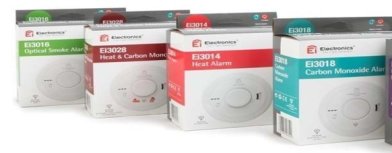
Our properties have compliant interlinked smoke and heat detectors.
Interlinked alarms are connected so that when one goes off, they all go off. This alerts people wherever they are in a home and can significantly reduce the risk of injury or death by giving people more time to escape.
It is important you have a working fire detection system in your home. While you can contact us if you ever have any faults with your alarm systems, we would also encourage you to aim to test your alarms on a weekly basis by simply pressing the test button. Again, if there are any problems during the test, please contact us. It might seem small but it could mean the difference between life and death.
Carbon Monoxide
If your property has a gas appliance in it - such as a boiler or oven - you will also have a carbon monoxide ('CO') detector, which we again recommend testing on a weekly basis. A carbon monoxide incident in the home as far, far less obvious than a fire because CO is colourless, tasteless and odourless but can be fatal if exposure last long enough. You will receive an annual gas safety check from our contractor, and it is absolutely vital that you co-operate with us to ensure access for the purpose of ensuring your own safety. During this visit, your CO alarm will also be checked. Failure to grant access may ultimately lead to forced access procedures being invoked as a last resort.
Symptoms of potential carbon monoxide exposure can include nausea, vomiting, headaches, confusion, dizziness, shortness of breath and a drifting in-and-out of consciousness.
If you suspect exposure to carbon monoxide in the home, you should:
- stop using gas appliances and turn them off
- get outside of the property immediately and seek medical attention.
- contact the Gas Emergency number on 0800 111 99
- contact the Association on 0141 285 7910. Our out-of-hours number, Saltire - is 01698 743612
General Fire Safety Risks and Tips
- Always remain in the kitchen when cooking and do not leave food currently cooking unattended. Ensure flammable items such as tea towels are kept away from heat sources. Cooking can also become more dangerous when cooking with oil (for example, frying food - chip pans are especially risky). If cooking oil ever ignites into a fire, NEVER throw water on it - the flames could become a fireball.
- Overloaded sockets, damaged cables and faulty appliances can all cause fires. Avoid plugging too many devices into one outlet and never use damaged chargers or extension leads. Turn off electrical items overnight or when you leave the house.
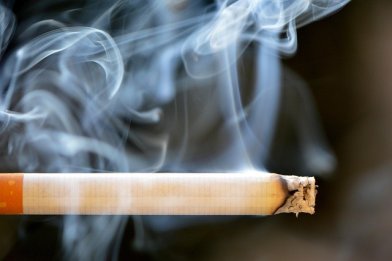
- If you are a smoker, we recommend trying to smoke outdoors if you can. If you smoke indoors, always ensure the cigarette is fully out when finished and make proper use of an ashtray. It's a good idea not to smoke in bed or when you may fall asleep.
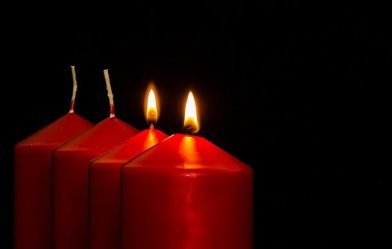
- Heaters placed too close to fabrics or furniture, and unattended candles, can ignite fires quickly. Keep heaters at least one metre away from anything flammable, and never leave candles burning unattended, near curtains or when consuming alcohol. Please also remember that CALOR GAS AND PARAFFIN HEATERS ARE NOT PERMITTED IN YORKHILL PROPERTIES.
- Clutter can block escape routes and fuel fires. Keep exits clear, and ensure you regularly declutter and check that smoke alarms are not obstructed.